Investment Beyond Capital: Building Ecosystems
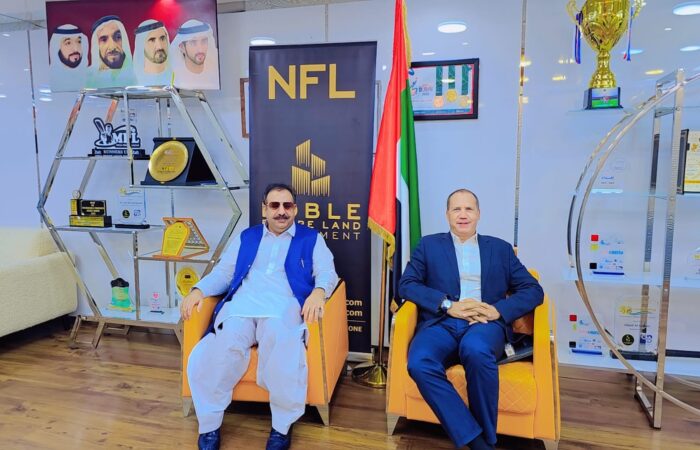
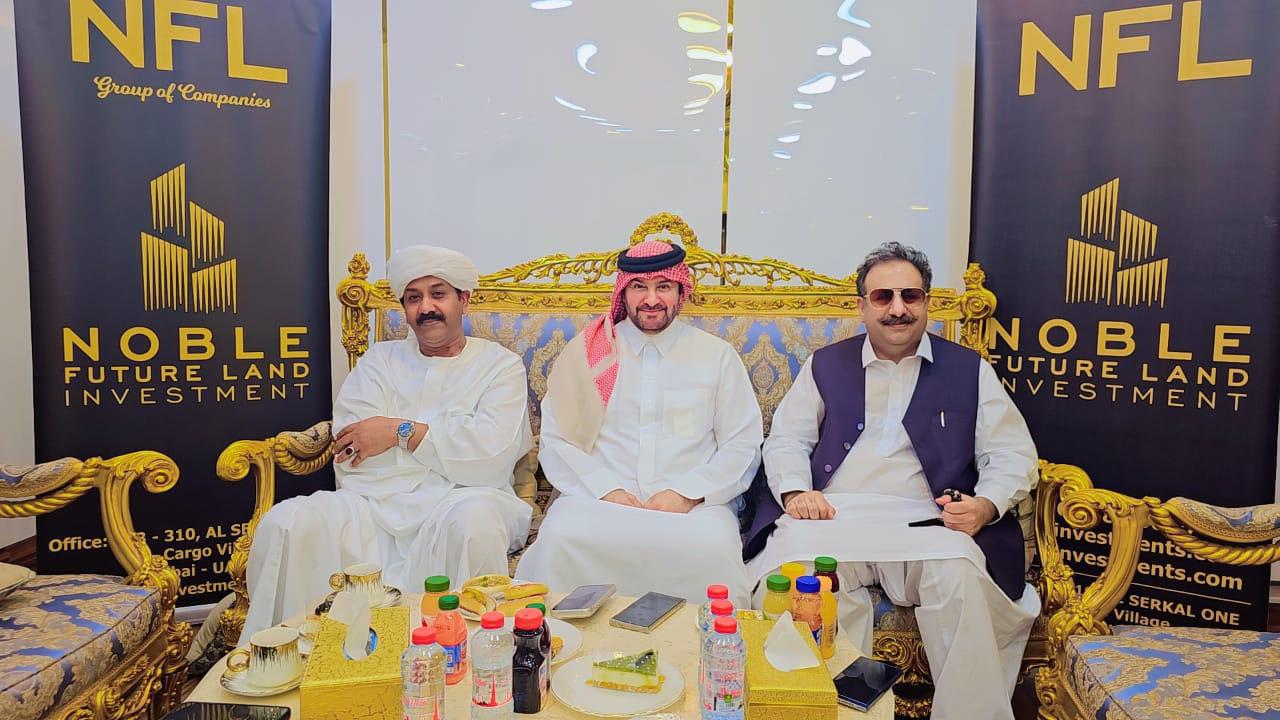
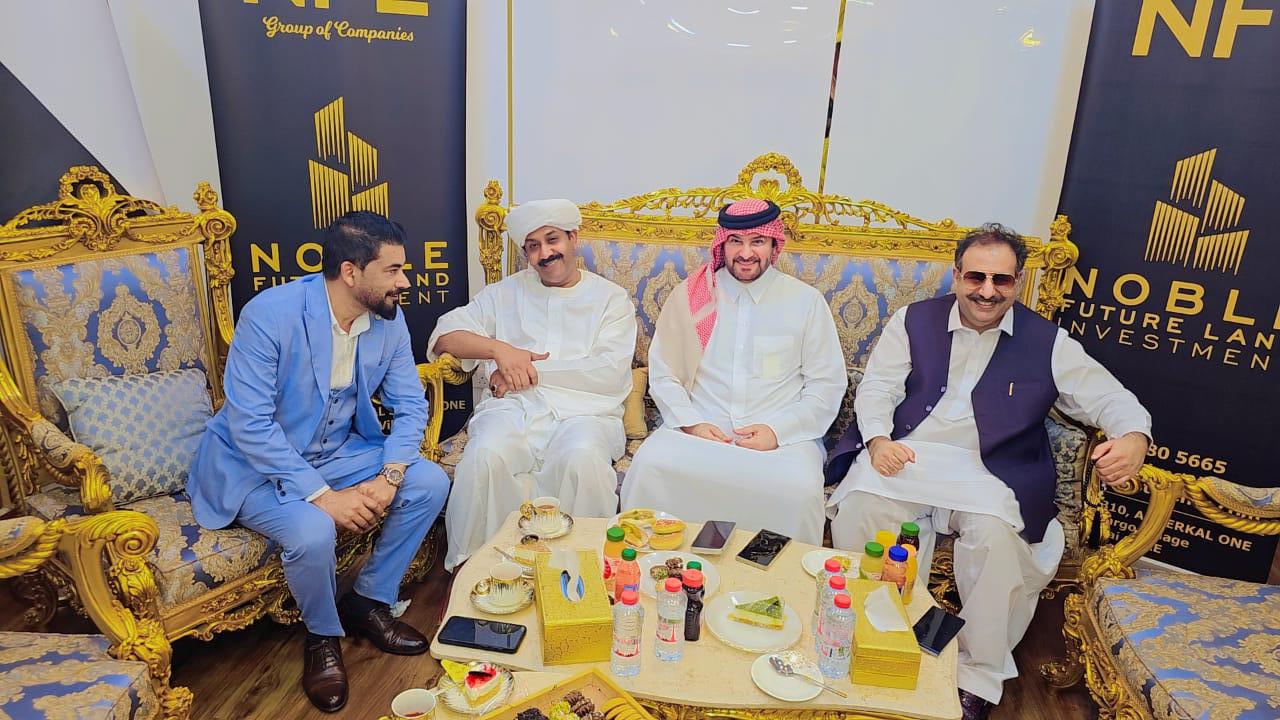
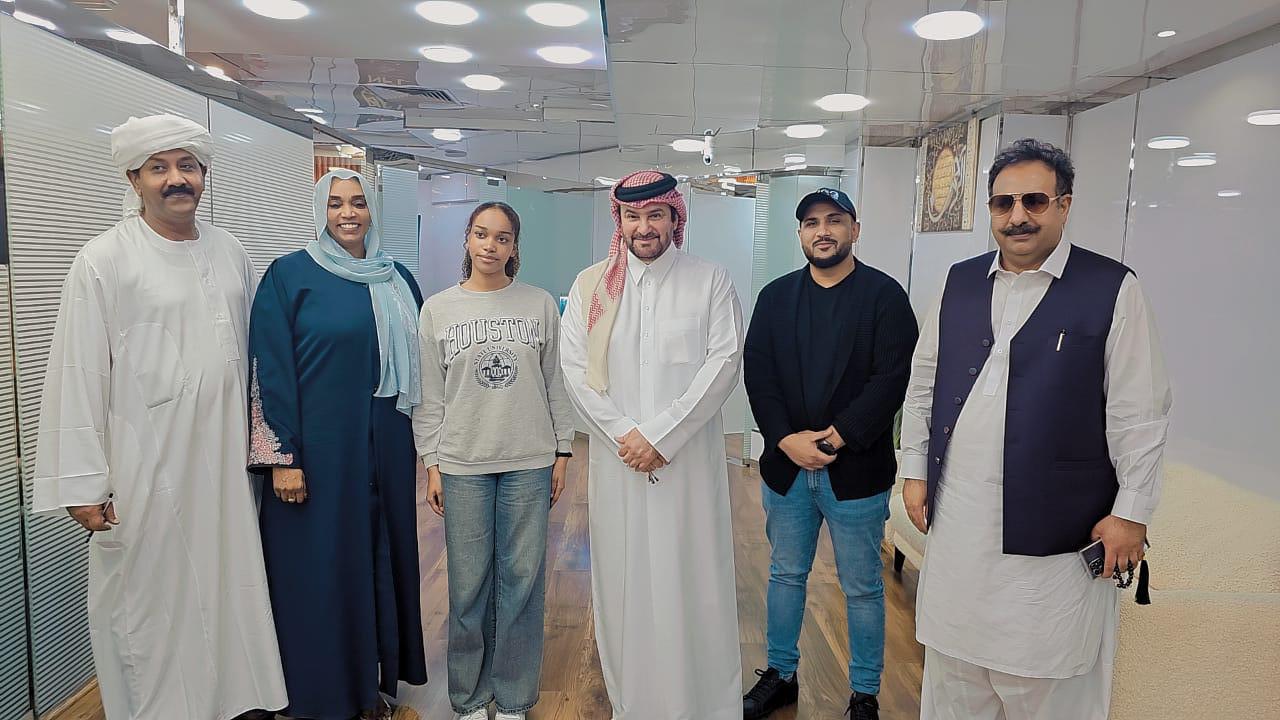
One of the key themes discussed was the evolution of investment from isolated transactions to ecosystem building. Modern investment firms are no longer simply allocators of capital; they are connectors—linking entrepreneurs, institutions, markets, and influence.
NFL Investments LLC positions itself within this broader ecosystem model, where investment decisions consider:
The discussion emphasized that ecosystems thrive when each participant understands their role. Influencers help shape perception and trust. Investors provide structure and capital discipline. Entrepreneurs bring innovation and execution. When aligned, these elements create momentum that sustains growth over time.
The Role of Influencers in Business and Finance
Influence in business is often misunderstood as visibility alone. In reality, influence is effective only when paired with authenticity and accountability. Mubarak Alhajiri’s profile illustrates how influence developed through real achievement carries far more weight than manufactured exposure.
From an investment standpoint, credible influencers:
Help validate opportunities
Reduce informational asymmetry
Strengthen market confidence
Accelerate adoption and partnerships
This dynamic is particularly relevant in emerging sectors, where trust is still forming and clarity is essential. The discussion touched on how investors increasingly look beyond spreadsheets, seeking signals of credibility that numbers alone cannot provide.
Navigating Risk in a Complex World
Risk management formed another major pillar of the conversation. Both parties acknowledged that risk today is multi-dimensional—financial, regulatory, geopolitical, reputational, and technological.
Asif Ali emphasized that effective risk management is not about avoidance, but about intelligent positioning. This includes:
Understanding downside exposure
Structuring investments with flexibility
Maintaining liquidity discipline
Stress-testing assumptions
In this context, experience becomes a critical asset. The ability to anticipate second- and third-order effects often separates durable investment strategies from reactive ones.
Regional Growth and Global Connectivity
The Middle East continues to play an increasingly important role in global investment flows. The region’s focus on diversification, innovation, and global integration creates opportunities—but also requires sophisticated frameworks to manage growth responsibly.
The discussion highlighted the importance of:
NFL Investments LLC’s international outlook reflects this reality, balancing regional insight with global exposure. The goal is not expansion for its own sake, but measured growth aligned with long-term objectives.
Leadership in the Age of Transparency
Modern leadership operates in an environment of unprecedented transparency. Decisions are scrutinized, narratives move quickly, and credibility must be continuously earned. This reality reinforces the importance of integrity, clarity, and consistency.
Both Mubarak Alhajiri and Asif Ali represent leadership models shaped by experience rather than trends. Their perspectives converge on the idea that trust compounds over time, much like capital—provided it is managed with care.
Innovation, Discipline, and the Future
Looking ahead, the discussion turned toward the future of investment and business leadership. Innovation remains essential, but innovation without discipline often leads to instability. The most resilient models are those that combine creative thinking with structured execution.
Key future-focused themes included:
Sustainable and responsible investment
Technology as an enabler, not a shortcut
Human judgment alongside data analytics
Long-term partnerships over transactional relationships
These themes reflect a maturing investment landscape—one that values depth over speed and alignment over noise.
A Shared Philosophy of Long-Term Value
Ultimately, the dialogue underscored a shared philosophy: lasting success is built, not rushed. Whether in competitive arenas, public life, or global markets, the same principles apply—preparation, resilience, and strategic clarity.
At NFL Investments LLC, this philosophy continues to guide how opportunities are evaluated and how capital is deployed. The integration of financial expertise, ecosystem awareness, and respect for influence creates a framework designed for durability in an uncertain world.
As global markets continue to evolve, conversations like these help refine the thinking that shapes tomorrow’s decisions—reminding us that while markets may change, principles remain timeless.